

Meningitis B Outbreak: What You Need to Know
Recent reports of a Meningitis B case linked to a university setting have understandably caused concern for students and families.
We want to provide clear, accurate guidance on what this means, who may be at risk, and what steps you can take to protect yourself.
What is Meningitis B?
Meningitis B is a type of bacterial meningitis, a serious infection that affects the lining of the brain and spinal cord. It can progress quickly and requires urgent medical attention.

It is most commonly spread through close contact, such as:
- Living in shared accommodation
- Kissing or sharing drinks
- Prolonged close contact (e.g. student households)
Who is Protected?
In the UK, the Meningitis B vaccine was introduced into the routine childhood programme in 2015.
This means many teenagers and adults (including most university students) will not have received this vaccine
Current Vaccine Availability
At present, there is limited national availability of the Meningitis B vaccine, and supplies are temporarily restricted.
At our clinics:
- We are actively sourcing further stock
- We expect availability to resume shortly
- We have set up a waiting list for patients who would like to be contacted as soon as doses arrive
👉 If you would like to be added to the waiting list, please send a message including your name and which location you’re wanting to attend to: WhatsApp
What Can You Do in the Meantime?
- Consider the Meningitis ACWY Vaccine
While this does not protect against Meningitis B, it covers four other strains of meningitis (A,C,W, Y).
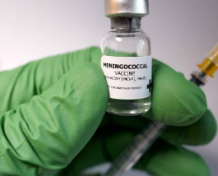
This vaccine is:
- Routinely recommended for teenagers and university students
- Particularly important if you have not previously received it
- Be Aware of Symptoms
Early recognition is critical. Symptoms can include:
- Fever
- Severe headache
- Neck stiffness
- Sensitivity to light
- Vomiting
- Drowsiness or confusion
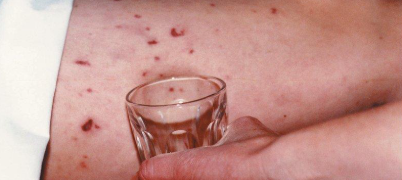
- A rash that does not fade under pressure (glass test)
👉 If you or someone else develops these symptoms, seek urgent medical attention immediately.
- Early Antibiotics (When Clinically Appropriate)
In some cases, where there is a high clinical suspicion of meningitis, UK guidance supports the early use of antibiotics.
This is something that:
- Must be clinically assessed on an individual basis
- Should only be provided following medical consultation
Our Current Advice
- Ensure your vaccinations are up to date, particularly Meningitis ACWY
- Register your interest for the Meningitis B vaccine waiting list
- Be vigilant for symptoms, especially in shared living environments
- Seek medical advice promptly if concerned
We’re Here to Help
We understand that news like this can be worrying, particularly for parents of university students.
Our clinical team is available to:
- Provide individual risk assessments
- Advise on appropriate vaccinations
- Support with early assessment if symptoms arise
📍 Same-day appointments available
📞 Contact your nearest clinic for advice