Recent reports of a Meningitis B case linked to a university setting have understandably caused concern for students and families.

We want to provide clear, accurate guidance on what this means, who may be at risk, and what steps you can take to protect yourself.
What is Meningitis B?

Meningitis B is a type of bacterial meningitis, a serious infection that affects the lining of the brain and spinal cord. It can progress quickly and requires urgent medical attention.

It is most commonly spread through close contact, such as:

  • Living in shared accommodation                                    
  • Kissing or sharing drinks
  • Prolonged close contact (e.g. student households)

Who is Protected?

In the UK, the Meningitis B vaccine was introduced into the routine childhood programme in 2015.

This means many teenagers and adults (including most university students) will not have received this vaccine


Current Vaccine Availability

At present, there is limited national availability of the Meningitis B vaccine, and supplies are temporarily restricted.

At our clinics:

  • We are actively sourcing further stock
  • We expect availability to resume shortly
  • We have set up a waiting list for patients who would like to be contacted as soon as doses arrive

👉 If you would like to be added to the waiting list, please send a message including your name and which location you’re wanting to attend to:  WhatsApp

What Can You Do in the Meantime?

  1. Consider the Meningitis ACWY Vaccine

While this does not protect against Meningitis B, it covers four other strains of meningitis (A,C,W, Y).
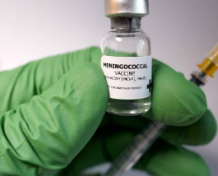
This vaccine is:

  • Routinely recommended for teenagers and university students
  • Particularly important if you have not previously received it
  1. Be Aware of Symptoms

Early recognition is critical. Symptoms can include:

  • Fever
  • Severe headache
  • Neck stiffness
  • Sensitivity to light
  • Vomiting
  • Drowsiness or confusion
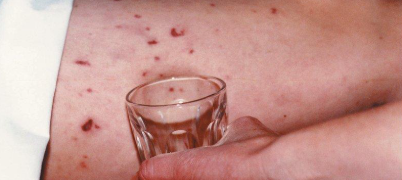
  • A rash that does not fade under pressure (glass test)

👉 If you or someone else develops these symptoms, seek urgent medical attention immediately.


  1. Early Antibiotics (When Clinically Appropriate)

In some cases, where there is a high clinical suspicion of meningitis, UK guidance supports the early use of antibiotics.

This is something that:

  • Must be clinically assessed on an individual basis
  • Should only be provided following medical consultation


Our Current Advice

  • Ensure your vaccinations are up to date, particularly Meningitis ACWY
  • Register your interest for the Meningitis B vaccine waiting list
  • Be vigilant for symptoms, especially in shared living environments
  • Seek medical advice promptly if concerned


We’re Here to Help

We understand that news like this can be worrying, particularly for parents of university students.

Our clinical team is available to:

  • Provide individual risk assessments
  • Advise on appropriate vaccinations
  • Support with early assessment if symptoms arise

📍 Same-day appointments available
📞 Contact your nearest clinic for advice
As international travel continues to increase, more UK travellers are visiting destinations where rabies remains a real and potentially life-threatening risk. While many people focus on passports, flights and accommodation, travel health is often overlooked until the final stages of planning. In the case of rabies, leaving vaccination too late can create unnecessary risk.

Rabies is a viral infection that affects the brain and nervous system. Once symptoms begin to develop, the disease is almost always fatal. Although rabies is not present in the UK’s domestic animal population, it remains widespread in many parts of the world and continues to cause tens of thousands of deaths globally every year.

Travel health specialists have long advised that travellers heading to certain regions should consider vaccination well in advance of departure.

Where Rabies Is Still a Risk

Rabies is most commonly transmitted through the bite or scratch of an infected animal. Dogs are responsible for the majority of human cases worldwide, but the virus can also be carried by monkeys, bats, cats and other mammals

Travellers often encounter animals in everyday situations while abroad, including:

  • visiting temples or tourist attractions where monkeys roam freely
  • trekking or travelling through rural areas
  • volunteering with animals
  • encountering stray dogs in towns and villages
  • staying in locations where medical facilities are limited

Many exposures occur when travellers try to feed or interact with animals. Even minor scratches can be enough to transmit the virus if saliva from an infected animal enters broken skin.

One of the challenges with rabies is that symptoms may take weeks or months to appear after exposure. Once they develop, the disease progresses rapidly and is almost always fatal.

Why Pre-Travel Vaccination Is Important

Rabies vaccination before travel provides important protection for those visiting high-risk areas. While vaccination does not remove the need for medical care after a bite or scratch, it significantly simplifies the treatment required.

Without prior vaccination, someone exposed to rabies may require rabies immunoglobulin as part of emergency treatment. In many parts of the world this medication is extremely difficult to access, particularly outside major cities.

Travellers who have already received the rabies vaccine require a much simpler course of follow-up treatment, which is more widely available internationally.

For people travelling to remote areas, spending extended periods abroad, or working with animals, vaccination is often strongly recommended.

Who Should Consider the Rabies Vaccine?

Rabies vaccination is commonly recommended for travellers who are:

  • visiting countries where rabies is widespread
  • spending time in rural or remote areas
  • backpacking or travelling long-term
  • working or volunteering with animals
  • travelling to destinations where access to medical care may be limited

Families travelling with children should also be aware that children are more likely to interact with animals and may not report small scratches or bites.

A travel health consultation helps determine whether vaccination is appropriate based on destination, planned activities and length of stay.

Current Vaccine Supply Challenges

In recent months there have been reports of limited availability of certain travel vaccines across parts of the UK, including rabies vaccination in some settings. Supply pressures can occur from time to time due to global manufacturing demand and distribution factors.

Specialist travel clinics monitor vaccine availability closely to ensure patients can access recommended protection before travelling.

At Regent Street Clinic, rabies vaccination continues to be available across its network of clinics, allowing travellers to access the vaccine as part of a full travel health consultation.

Planning Ahead Before You Travel

Travel medicine is most effective when planned early. Ideally, travellers should seek advice several weeks before departure to allow time for vaccination schedules and personalised travel health advice.

During a consultation, clinicians can review:

  • destination-specific risks
  • planned activities and travel itinerary
  • recommended vaccinations and preventative measures
  • guidance on what to do if an animal exposure occurs abroad

This tailored approach helps ensure travellers are properly prepared and protected before their journey begins.

A Preventable Risk

Rabies remains one of the world’s most serious infectious diseases, yet it is also one of the most preventable when appropriate precautions are taken. Awareness of the risks, avoiding contact with unfamiliar animals and receiving vaccination where recommended can dramatically reduce the chances of a serious exposure.

For travellers heading to destinations where rabies is present, seeking professional travel health advice before departure is an important step in ensuring a safe and healthy trip.

Regent Street Clinic has expanded its London footprint with the opening of two new central locations in Bank and Oxford Circus. The move strengthens our presence in the capital and reflects sustained demand for structured, clinically governed private healthcare in high-density commercial districts.

Both clinics deliver the full scope of services available across our UK network — including private GP appointments, occupational health provision, travel medicine, visa medicals and preventative health assessments. Every consultation operates within our established clinician-led framework, built around governance, regulatory compliance and clear medical accountability.

This expansion comes at a time of transition within the private healthcare and travel health sectors. Recent market exits have created uncertainty for both employers and patients. Our entry into Bank and Oxford Circus provides stability — a fully regulated, nationally integrated provider offering continuity in two of London’s most commercially significant locations.

Bank: Healthcare Embedded in the Financial Core

Our Bank clinic positions Regent Street Clinic directly within the City’s financial and professional services ecosystem. For employers operating in high-performance environments, access to responsive, local healthcare is not a convenience — it is an operational necessity.

Occupational health assessments, management referrals, executive medicals and fitness-to-work reviews can now be delivered within walking distance of the workplace, reducing downtime and improving response times. Internationally mobile professionals benefit from immediate access to travel vaccinations and visa medicals without the inefficiencies of cross-city appointments.

The clinic has been developed to meet the expectations of organisations that prioritise discretion, speed and clinical rigour — whether through one-off assessments or structured, ongoing occupational health programmes.

Oxford Circus: Centralised Access in the West End

Our Oxford Circus location broadens accessibility across the West End and surrounding residential districts. It serves individuals, families, retailers, hospitality businesses and commuters seeking reliable private medical care in a well-connected central setting.

Patients can secure same-week GP appointments, undertake health screening, prepare for overseas travel or address ongoing health concerns without long waiting times or fragmented service pathways.

In central London, accessibility drives healthcare behaviour. The ability to book online and attend a centrally located clinic before or after work materially reduces friction and encourages earlier intervention — improving health outcomes and reducing preventable escalation.

A Consistent National Governance Model

Regent Street Clinic was founded by Dr Bobby Ahmed, a UK-trained General Practitioner with additional qualifications in Occupational Medicine and Travel Medicine. The organisation has been built on a consultation-led model prioritising structured assessment, professional standards and regulatory oversight.

The Bank and Oxford Circus clinics operate under the same governance systems as our established national network. Clinical records, reporting standards and compliance processes remain consistent across locations, ensuring continuity of care while responding to the specific operational dynamics of central London.

Strengthening London’s Private Healthcare Infrastructure

The addition of two full-service clinics reflects sustained market demand for dependable, well-governed private healthcare provision.

For City employers reviewing occupational health partners, for globally mobile professionals requiring reliable travel medical support, and for individuals seeking timely GP access, Regent Street Clinic now provides expanded, strategically located options within central London.

Appointments at both locations are now open.